
When parents hear “gaming,” they may picture screen time, solo play, or another distraction from schoolwork. But structured competitive gaming can create a very different experience.
In a coached youth esports league, kids are not simply logging hours. They are reviewing decisions, communicating with teammates, solving problems under pressure, and learning how to respond when a strategy does not work.
That is why STEM learning through gaming matters. Competitive play does not replace classroom learning, and it does not guarantee a particular career path. But it can give kids repeated practice with transferable skills that show up in science, technology, engineering, mathematics, and many modern careers.
A 2023 meta-analysis published in the International Journal of STEM Education reviewed 86 studies and found that digital game-based STEM learning produced stronger outcomes than traditional learning activities in the studies examined. The researchers also found especially strong effects for cognitive skills such as problem-solving and decision-making. Read the research summary.
Here are five ways competitive play can support your child’s development.
1. Gaming turns problem-solving into a repeatable process
Competitive games constantly present new problems:
- Where should the team move next?
- Should players take a fight or avoid it?
- Which resources matter most right now?
- How can the team recover after a mistake?
- What changed between the last match and this one?
Players learn to observe, make a decision, test it, and adjust based on the result. That cycle is closely related to the way STEM professionals approach complex challenges.
In competitive Fortnite, for example, players must consider positioning, timing, resources, map movement, communication, and risk. A successful match is rarely the result of one quick reaction. It comes from hundreds of small decisions made with incomplete information.
Coaches help players slow that process down. Instead of saying, “We lost because we played badly,” a player learns to ask:
- What information did we have?
- What did we overlook?
- What choice did we make?
- What could we test next time?
That kind of reflection helps build analytical thinking and practical problem-solving, both inside and outside the game.
2. Competitive play develops strategic and systems thinking
Many games operate as interconnected systems. A decision in one part of a match can affect everything that follows.
A team that uses too many resources early may struggle later. A player who rotates too late may put the entire squad at risk. A team that changes its strategy without communicating can create confusion for everyone.
Kids begin to recognize relationships between actions, timing, resources, and outcomes. They are learning to think beyond the immediate moment.
This is one reason strategic games can be useful in STEM learning. Research reviewed in the meta-analysis found particularly strong outcomes in strategy-based game environments, where players had to plan, evaluate options, and solve complex problems.
In coaching, this can look like:
- Reviewing a map or replay
- Comparing different routes or decisions
- Identifying patterns in an opponent’s behavior
- Planning around timing and limited resources
- Testing a new team strategy during scrimmage play
Those habits connect naturally to concepts such as systems thinking, modeling, optimization, and data-informed decision-making.
3. Team games teach communication under pressure
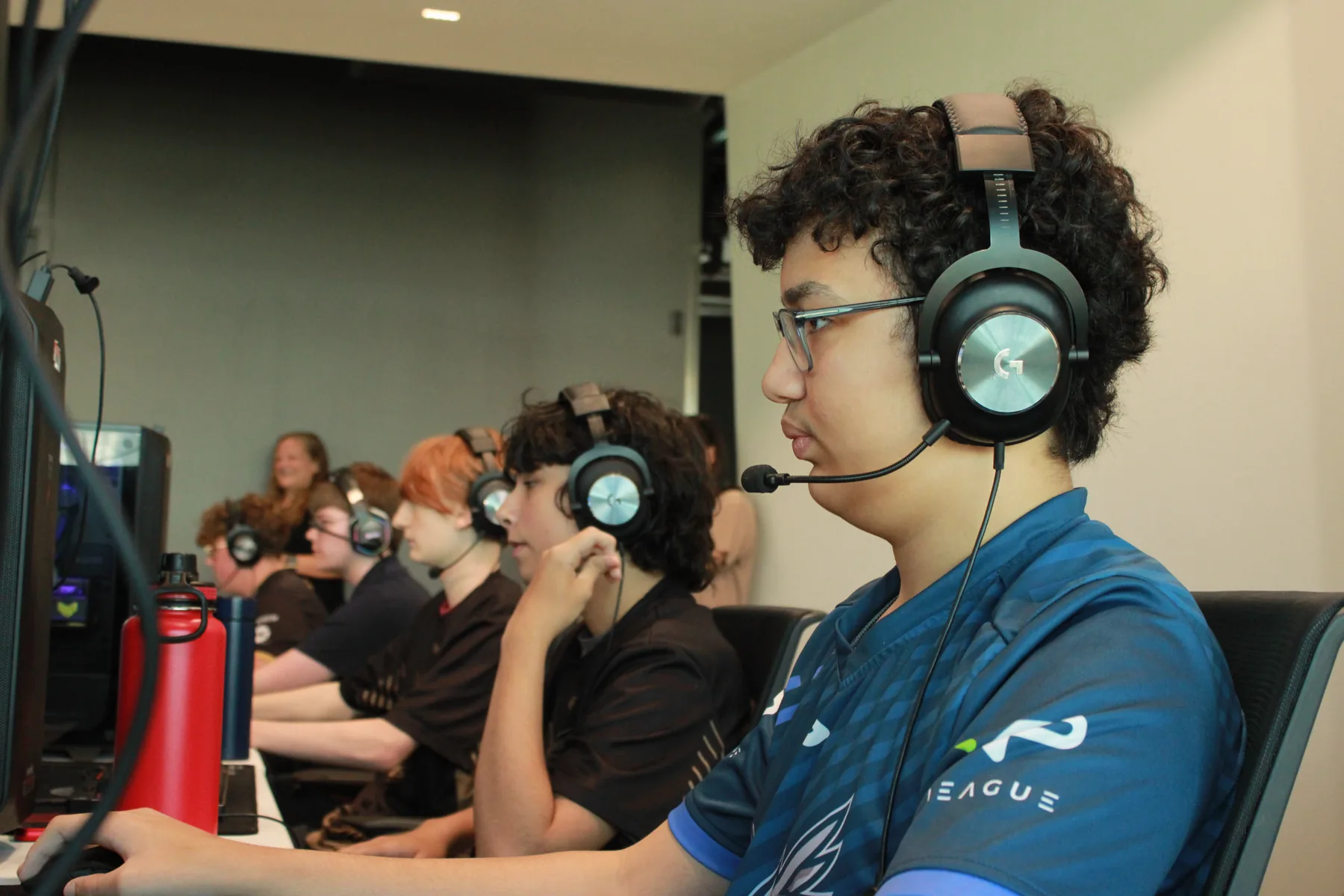
STEM careers are not built only on individual technical ability. Engineers, software developers, scientists, analysts, and technicians must communicate clearly with other people.
Team-based esports gives kids a practical reason to communicate. A teammate needs accurate information quickly. Vague directions or emotional reactions can make a difficult situation worse.
Over time, players practice:
- Making concise callouts
- Listening while managing their own responsibilities
- Sharing information without interrupting
- Accepting feedback
- Trusting teammates to perform their roles
- Staying respectful after a mistake
These skills are especially important for kids who may not naturally seek out traditional team sports. Esports can provide a structured team environment where communication feels relevant to something they already care about.
At XP League Franklin, coaches connect in-game communication to broader habits such as teamwork, sportsmanship, leadership, and accountability. The goal is not just to win the next match. It is to help players understand how their actions affect the whole team.
4. Game review builds data-mindedness and technical literacy
Modern competitive gaming is rich with information. Players work with replays, statistics, maps, timing, performance patterns, and changing game systems.
A coach may ask a player to review:
- How often they won or lost certain engagements
- Where mistakes occurred on the map
- Whether a strategy worked consistently
- How quickly the team responded to new information
- Which mechanical skills need focused practice
This is an early introduction to evidence-based improvement. Instead of relying only on feelings, “I played badly” or “That team got lucky”, players learn to look for specific evidence.
They also become more comfortable navigating digital tools, communication platforms, game settings, and technical workflows. That does not make every gamer a programmer or engineer. However, it can build confidence with technology and make technical learning feel more approachable.
A well-structured program adds guidance to the experience. Kids learn that improvement is not just about playing more. It is about practicing with a purpose, reviewing results, and making a smart adjustment.
5. Competitive gaming builds confidence, resilience, and future curiosity
STEM learning is not only about knowledge. Kids also need the confidence to attempt difficult tasks, make mistakes, and keep working.
Competitive games provide frequent feedback. A player may lose a match, identify a weakness, practice it, and see improvement later. That process can help children understand that ability is developed through consistent effort.
Coaches reinforce healthy responses to setbacks:
- Losing is information, not a personal failure.
- Confidence should come from preparation, not bravado.
- A mistake can be reviewed without becoming a source of shame.
- Improvement often happens gradually.
- Good teammates support one another through difficult moments.
Those lessons matter in school, future work, and everyday life.
They can also help kids see connections between gaming and possible careers. The esports industry itself includes opportunities in software, game design, data analytics, broadcasting, cybersecurity, operations, marketing, and event production.
There are also transferable-skill connections to fields outside esports. For example, air traffic control requires people to manage information, communicate clearly, monitor changing conditions, and make careful decisions under time pressure. Those abilities overlap in meaningful ways with skills practiced in competitive team environments.
That does not mean esports prepares a child for an FAA career or guarantees success in air traffic control. Career outcomes depend on education, training, qualifications, and many other factors. But structured gaming can help a child discover that they enjoy high-information, technology-focused, collaborative challenges, an important first step in exploring STEM possibilities.
What STEM learning through gaming looks like at XP League
The difference between unstructured gaming and coached competitive gaming is the framework around it.
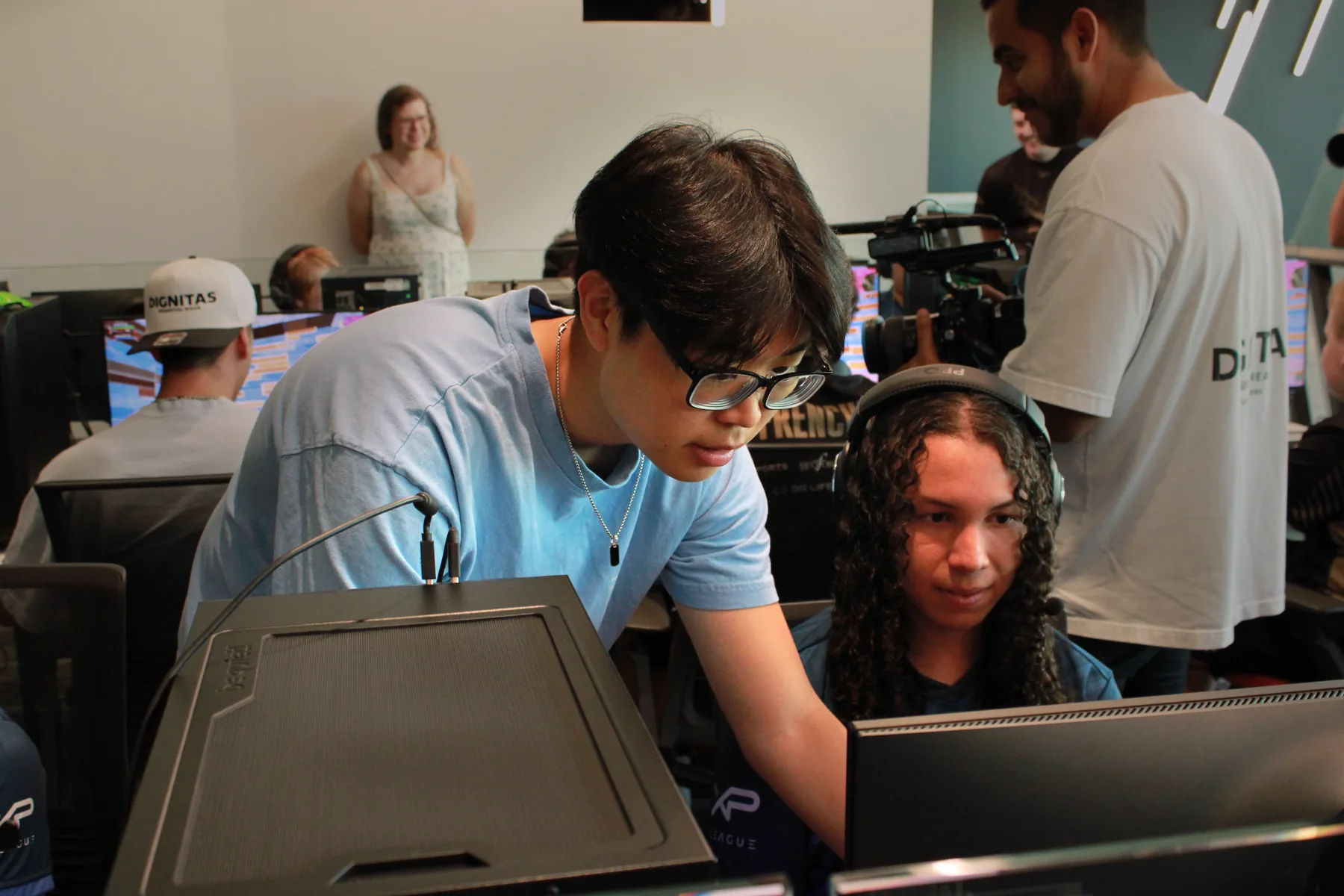
XP League Franklin serves players ages 7–17 through a virtual youth esports program built around:
- Weekly practices
- Games and scrimmages
- Tournaments
- Professional coaching
- Team communication
- Sportsmanship and character development
- Game-specific improvement plans
- Community connection and clear expectations
Your child does not need to be a top-ranked player to benefit. A good fit may be a highly competitive gamer, a curious beginner, or a player who wants more structure than casual online matches provide.
For families in Franklin, Williamson County, Brentwood, Nolensville, and Spring Hill, the XP League Franklin program offers a local team experience delivered virtually. Families in Peachtree City, Fayette County, Newnan, Tyrone, and Fayetteville can learn more through the XP League Peachtree City program.
An exclusive opportunity for Franklin gamers
This year, XP League Franklin players have also had access to an unusually exclusive opportunity: participation connected to the Dignitas professional Fortnite roster and an elite bootcamp experience supported by Mike & Ike’s “We Got Chew” campaign.
XP League Franklin and XP League Peachtree City were selected to represent their communities in this special opportunity. Players could learn from professional-level talent, study gameplay, discuss strategy, and see how competitive gaming connects to larger pathways in esports and technology.
It is a powerful example of what structured youth esports can provide: not just more time playing a game, but exposure to coaching, teamwork, professional standards, and new possibilities.
Give your child a structured way to grow
If your child already loves gaming, you do not have to choose between supporting that interest and encouraging healthy development. The right program can connect gaming with teamwork, confidence, strategic thinking, problem-solving, and technical literacy.
Start by asking:
- Does my child enjoy improving at a challenge?
- Would they benefit from a team and coach?
- Can they learn to handle wins and losses constructively?
- Do they enjoy technology, strategy, or competition?
- Would structured gaming be more positive than playing alone?
If the answer is yes, a free practice can help your family understand whether the team environment is a good fit.
Schedule a Free Practice with XP League Franklin and explore how competitive gaming can become a purposeful part of your child’s development.